That 'We Missed You' Email Is Costing You More Than Walking Away Ever Would Have
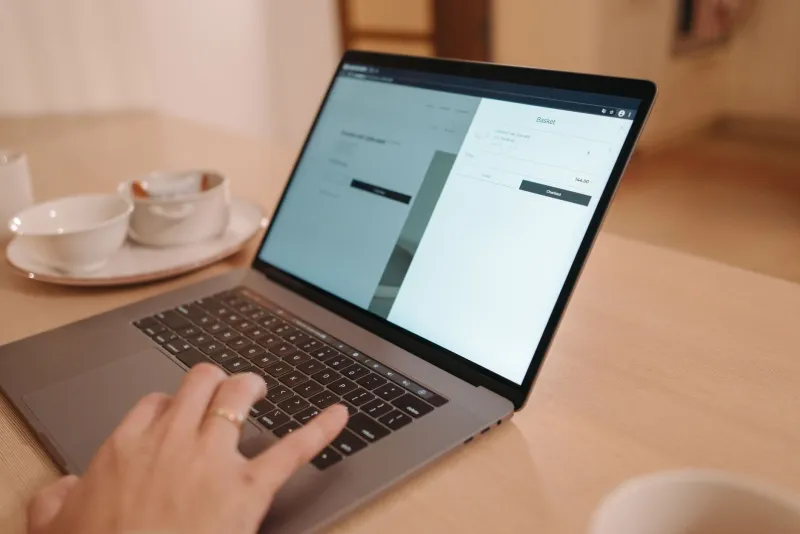
You added something to your cart. Maybe you got distracted, maybe you thought twice, or maybe you just needed a minute to decide if you really needed a fourth throw pillow. Whatever the reason, you left the site without buying — and within hours, your inbox lit up with a message that felt weirdly personal. "Hey, you left something behind!" Complete with a photo of the exact item, a countdown clock, and a discount code that expires in 24 hours.
Here's the thing: that email wasn't a coincidence, and it definitely wasn't a favor. It was a trigger — one built by a team of behavioral strategists whose entire job is to get you back to that checkout page before your better judgment kicks in.
Why You Abandoned the Cart in the First Place
Let's back up. Cart abandonment is actually the norm in online shopping. Studies consistently show that somewhere between 70 and 80 percent of online shopping carts get left behind. That's not a glitch in consumer behavior — it's people doing exactly what they're supposed to do: pausing, comparing, reconsidering.
Maybe the shipping cost surprised you at checkout. Maybe you wanted to sleep on it. Maybe you realized the item was an impulse add and you didn't actually need it. In a lot of cases, abandoning the cart was the right call.
Retailers know this. They also know that a well-timed email can undo that rational pause in about thirty seconds flat.
The Anatomy of a Cart Recovery Email
These emails aren't random. They follow a formula that's been A/B tested and optimized to death. Here's what's typically baked into them:
The Product Image Front and Center Retailers lead with a high-quality photo of the item you left behind. This isn't just a reminder — it's a visual re-trigger. You already formed an emotional connection with that product when you added it to your cart. The image is designed to reactivate that feeling before your logic brain even reads the first sentence.
Scarcity Language Phrases like "Only 3 left in stock" or "This item is in high demand" create artificial urgency. Sometimes this is true. Often, it isn't. Inventory scarcity claims in marketing emails are notoriously unreliable, and there's very little regulation around how retailers use them. The goal is simple: make you feel like hesitating has a cost.
The Phantom Discount This one's sneaky. You get an email offering 10 or 15 percent off the item you left behind. Feels like a win, right? Except — was that item already marked up to accommodate exactly this kind of discount? Plenty of retailers build their pricing strategy around the expectation that a percentage of shoppers will need a coupon nudge. The "discount" you're getting might just be the price they always intended to charge you.
The Countdown Timer Nothing short-circuits deliberate decision-making quite like a ticking clock. Countdown timers in cart recovery emails are pure urgency theater. They're designed to shift your mental state from "should I buy this?" to "I need to decide right now." That's a fundamentally different cognitive mode — and it's one that tends to produce worse financial decisions.
The Real Cost of Clicking "Complete Your Order"
Here's where it gets interesting. The price you pay when you respond to one of these emails isn't just the dollar amount on the product. There are a few hidden costs worth thinking about:
You're Rewarding the Behavior Every time you complete a purchase after receiving a cart recovery email, you're training that retailer's system — and your own habits — to repeat the cycle. Next time you abandon a cart, they'll send another email. And you'll be a little more conditioned to respond.
The Discount Might Not Be Real Savings If the item was already overpriced relative to competitors, a 10% coupon might just bring it to market rate. Before you click, take thirty seconds to search the item elsewhere. Price comparison takes less time than it used to, and it'll tell you immediately whether that "exclusive" discount is actually a deal.
You Were Already Skeptical — For a Reason This is the big one. You didn't buy the item the first time around. That hesitation existed for a reason. The cart recovery email's entire job is to make you forget that reason ever existed. Before you click through, ask yourself: why did I leave this behind? If the answer was "I wasn't sure I needed it," a countdown timer doesn't change that calculus.
How to Actually Use These Emails to Your Advantage
Here's the flip side — abandoned cart emails aren't always the enemy. If you're a strategic shopper, you can actually flip the script.
Use Abandonment to Trigger Discounts Intentionally Some shoppers have figured out that adding items to a cart and leaving without buying will sometimes generate a discount code within 24 to 48 hours. It doesn't work with every retailer, and it's not guaranteed, but it's a real phenomenon. If you were planning to buy something anyway, waiting a day might earn you a few bucks off.
Let the Email Confirm Your Research When a cart recovery email arrives, use it as a prompt to finish the price comparison you maybe didn't complete the first time. Check Google Shopping, check Amazon, check a couple of competitors. If the original retailer still wins on price after the discount, great — now you have more confidence in the purchase.
Ignore the Timer Seriously. Most countdown timers in marketing emails are either fake or reset when you click through. Even when they're real, the item is usually still available after the "deadline." The clock is a psychological tool, not a logistical one. Treat it accordingly.
The Bottom Line
Abandoned cart emails are one of the most effective tools in a retailer's re-engagement arsenal — and they're effective precisely because they target the gap between your initial excitement and your rational second thoughts. The urgency is manufactured, the discounts are often baked into the pricing model from the start, and the entire experience is engineered to get you spending before you've finished thinking.
None of that means you should never buy something after receiving one of these emails. It means you should buy it on your terms — after you've verified the price, revisited why you hesitated, and decided the purchase actually makes sense for you.
The best move you can make when that "we missed you" email shows up? Take a breath, ask yourself why you walked away the first time, and let that answer drive your decision — not a countdown clock that was designed in a marketing department to make you forget you ever had doubts.