Same Price, Less Stuff: The Sneaky Math Behind Shrinkflation
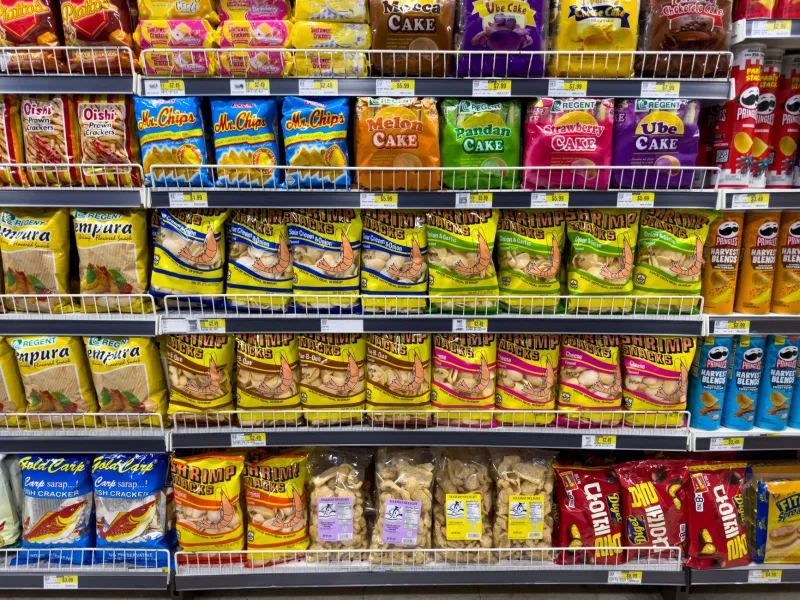
You grab your usual bag of chips off the shelf. Same logo, same colors, same price. You toss it in the cart without a second thought. But here's the thing — that bag might be holding a handful fewer chips than it did two years ago, and the odds are good you never noticed.
That's shrinkflation in a nutshell. It's not a conspiracy theory. It's a very real, very deliberate strategy that consumer brands have been leaning on hard, especially as production costs climb and companies look for ways to protect their profit margins without triggering sticker shock at the register.
And honestly? It works. Because most of us aren't standing in the chip aisle doing ounce-by-ounce comparisons. We're just shopping.
What Shrinkflation Actually Means
The term combines "shrink" and "inflation," and it describes exactly what it sounds like: a product gets physically smaller (or lighter, or fewer in count) while the price stays flat or even goes up. The result is a quiet price increase disguised as business as usual.
Companies justify it with rising ingredient costs, supply chain disruptions, or packaging changes. And sure, some of those pressures are real. But the effect on your wallet is the same regardless of the reason — you're paying more per unit than you were before, even if the receipt doesn't scream it.
The Consumer Price Index doesn't always catch this, by the way. Official inflation numbers track prices, not package sizes. So when a brand drops a product from 16 ounces to 14.5 ounces without changing the price, that's not always reflected in the data we use to measure the cost of living. It just quietly vanishes from your shopping bag.
Real Examples That'll Make You Double-Take
This isn't abstract. Let's talk specifics.
Cereals and snacks are among the worst offenders. Several major cereal brands have reduced box sizes by 10 to 20 percent over the past few years while prices held steady or climbed. A box that once held 19.3 ounces might now hold 17 — same box, same shelf space, less cereal.
Paper products have pulled similar moves. Some toilet paper brands quietly reduced sheet count per roll or made sheets slightly narrower, keeping the roll count the same but delivering measurably less product. The packaging still says "12 rolls," so nothing looks off.
Ice cream is a classic case. The industry-wide shift from half-gallon (64 oz) containers to 48 oz — and later to 1.5 quart — happened so gradually that many shoppers just accepted the new normal. You're getting 25 percent less ice cream for roughly the same price you used to pay for more.
Canned goods and condiments have seen it too. Tuna cans, peanut butter jars, and even some pasta sauce brands have trimmed net weight while keeping the container size visually similar. The jar still looks full. The weight on the label tells a different story.
Personal care products aren't immune either. Shampoo bottles, body wash, and even some cleaning products have seen volume reductions while maintaining price points. A 32 oz bottle becomes 28 oz with a slightly thicker base to maintain the illusion of size.
How to Calculate the Real Cost Per Unit
The best weapon you have against shrinkflation is simple math — specifically, cost per unit. Most grocery stores actually display this on the shelf tag, usually in small print near the item price. It might say something like "$0.42 per oz" or "$1.15 per 100 count."
Here's how to do it yourself if the tag doesn't show it:
Divide the total price by the total quantity. If a bottle of dish soap is $4.99 for 18 oz, that's roughly $0.28 per ounce. If a competing brand is $5.49 for 25 oz, that's about $0.22 per ounce — and the pricier-looking option is actually the better deal.
Get in the habit of doing this comparison, especially for products you buy regularly. It takes about ten seconds with your phone calculator, and it can completely flip which option looks like the smart buy.
Also, take photos of labels on products you purchase often. That way, you have a baseline. If the net weight changes in six months, you'll catch it.
Which Categories Are the Worst Offenders Right Now
Not every product category is equally guilty. Based on consumer tracking and watchdog reporting, here are the areas where shrinkflation has been most aggressive:
- Snack foods (chips, crackers, cookies): High visibility, high repeat purchase rate — brands know you'll keep buying without comparing
- Breakfast foods (cereal, granola bars, frozen waffles): Family staples that people rarely scrutinize
- Household paper products: Sheet count reductions are easy to hide in bulk packaging
- Frozen meals and desserts: Volume reductions are hard to eyeball when everything is sealed
- Personal care (shampoo, conditioner, body wash): Thick bottle bases and opaque packaging make size changes nearly invisible
- Condiments and spreads: Jar shape changes can mask significant volume reductions
Grocery and household goods are ground zero right now, but personal care is catching up fast.
Practical Ways to Push Back
You can't single-handedly stop brands from doing this, but you can make sure you're not the one left holding a lighter bag for the same price.
Buy store brands when the quality is comparable. Private label products are less likely to go through the same shrinkflation cycles, and they're already priced to compete on value.
Use unit price as your north star, not the sticker price. Always, always compare by ounce, count, or weight — not by what the package looks like.
Consider warehouse clubs for non-perishables. Larger bulk quantities are harder to quietly shrink without it being obvious, and the unit pricing is usually more transparent.
Pay attention to package redesigns. When a brand rolls out "new look" packaging, that's often cover for a size reduction. New look, same price, less product.
Report what you notice. The Consumer Reports website and Edgar Dworsky's Consumer World both track shrinkflation examples. The more shoppers flag these changes, the more public pressure brands face.
The Bottom Line
Shrinkflation is frustrating precisely because it's designed to fly under the radar. Brands know that most shoppers respond more strongly to a visible price increase than to a subtle size reduction. So they choose the latter, betting — correctly, most of the time — that you won't notice.
But now you know what to look for. Unit pricing, label photos, and a little skepticism toward "new packaging" claims are all it takes to spot the pattern. Your cart, your call — just make sure you're getting what you're actually paying for.