Warehouse Club Math: The Sneaky Reason Your Costco Haul Costs More Than You Think
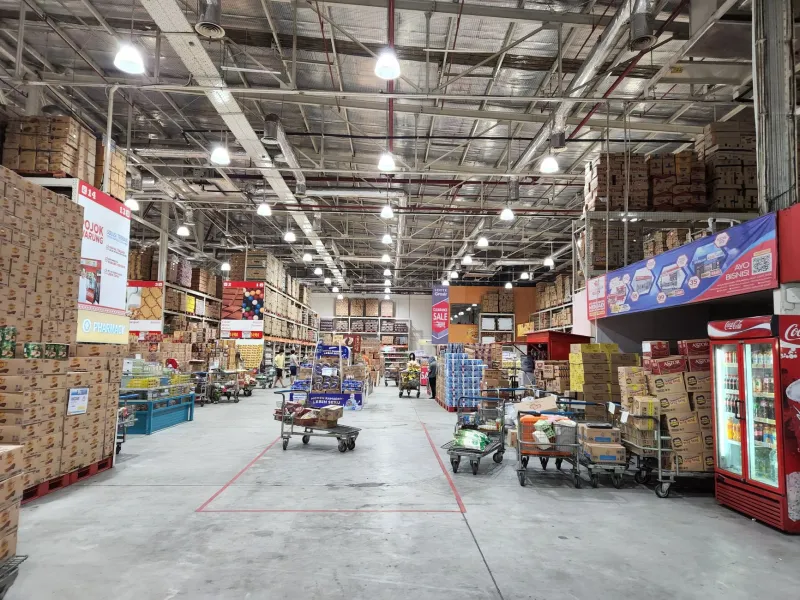
There's something almost hypnotic about walking into a warehouse club. The towering shelves, the industrial lighting, the giant tubs of peanut butter that could survive a nuclear winter — it all sends one very clear message: you're being smart with your money. And that feeling? It's incredibly powerful. It's also, pretty often, completely wrong.
Don't get us wrong — Costco, Sam's Club, and BJ's Wholesale genuinely do offer killer deals on certain products. But the blanket assumption that buying in bulk always saves you money is exactly the kind of thinking these stores are built on. Let's dig into the actual math and figure out when bulk buying is your best friend, and when it's quietly picking your pocket.
The Membership Fee Is the First Trap
Before you've tossed a single item in your cart, you're already in the hole. A standard Costco Gold Star membership runs $65 a year. Their Executive membership? $130. Sam's Club starts at $50. That's real money you need to earn back through savings before you've actually saved anything at all.
If you shop at Costco twice a month and your average savings per trip are around $8–$12 compared to a regular grocery store, you're basically breaking even on the membership fee — not crushing it. The math only starts working strongly in your favor if you're shopping there consistently and strategically, not just wandering in for samples and a $1.50 hot dog.
Quick tip: Track your actual savings for two months. Write down what you paid at Costco versus what the same item costs at your local grocery store or on Amazon. The results might surprise you.
The Psychology Behind the Giant Package
Here's where it gets interesting. Warehouse clubs are masters of something called unit price anchoring — they make the per-unit cost look so attractive that your brain stops thinking about the total cost. You see mayo for $0.09 per ounce instead of $14.99 for the jar, and suddenly it feels like robbery to buy the smaller version anywhere else.
But here's the question nobody asks in the aisle: do you actually need a 64-ounce jar of mayo? If you're a family of five that goes through condiments fast, maybe yes. If you're a household of two and that jar is going to sit in your fridge for eight months, developing a questionable smell somewhere around month six — absolutely not.
Expiration dates are the silent killer of bulk-buy savings. Produce, dairy, bread, snacks with limited shelf lives — these categories can actually cost you more at a warehouse club because you're paying for volume you can't realistically consume. Wasted food is wasted money, full stop.
Products Where Bulk Buying Actually Wins
Okay, let's be fair — there are genuine wins hiding in those warehouse aisles. Here's where bulk buying consistently delivers:
- Toilet paper and paper towels: Non-perishable, always needed, easy to store. This is the bulk-buy sweet spot.
- Laundry detergent: Same logic — long shelf life, predictable usage, significant per-load savings.
- Olive oil and cooking staples: If you cook regularly, the per-ounce savings on things like olive oil, canned tomatoes, and dried pasta are real.
- Vitamins and supplements: Costco's Kirkland brand routinely beats name-brand pricing by 30–50% on things like fish oil, vitamin D, and probiotics.
- Gasoline: Costco's gas prices are consistently lower than nearby stations — no bulk commitment required, just your membership card.
- Batteries: The math on bulk AA and AAA batteries almost always favors the warehouse club.
Notice something about that list? Everything on it is either non-perishable or has a very long shelf life. That's your filter.
Products Where Bulk Buying Quietly Loses
Now for the less glamorous side of the receipt:
- Fresh produce: Unless you're meal-prepping for an army, that 5-pound clamshell of spinach is going to turn into a science experiment before you finish it.
- Bread and bakery items: The Costco bakery smells amazing, but a 2-pack of giant muffins that goes stale in three days isn't a deal — it's a guilt trip.
- Specialty or trendy snacks: Costco loves carrying items that feel like limited-time finds. Buying 48 servings of a snack you've never tried is a gamble that rarely pays off.
- Cleaning products with short shelf lives: Some cleaning solutions degrade over time. Buying a year's supply of certain products means the last bottle is less effective than the first.
- Clothing and seasonal items: The prices look great until you realize the sizing runs weird, returns are a hassle, and you bought four of something you're not even sure you like.
How to Actually Calculate Per-Unit Value (Without Losing Your Mind)
Here's the honest truth: most of us don't do the math in the aisle. We see a big number on a big package and assume big savings. But it takes about 30 seconds on your phone to reality-check any bulk purchase.
The formula is simple: Total price ÷ total quantity = cost per unit.
Then compare that to the same product at a regular retailer — not the full retail price, but a sale price or the store-brand equivalent. Warehouse clubs often beat regular pricing but sometimes lose to a good sale at a conventional grocery store, especially if you have a coupon or store loyalty discount stacked on top.
Also worth checking: Amazon's Subscribe & Save pricing on household staples. For certain products, that 15% discount on auto-delivery beats Costco's bulk price without requiring you to store 200 trash bags in your hallway.
The Impulse Buy Problem Is Real
One more thing nobody talks about: warehouse clubs are specifically designed to encourage unplanned purchases. The treasure-hunt layout, the rotating seasonal merchandise, the demo stations — all of it exists to get you to spend more than you intended. Studies suggest the average Costco shopper spends significantly more per visit than they planned, often on items that weren't on any list.
That $40 throw blanket. The $25 book set. The random kitchen gadget that seemed essential at the demo station. None of those are bulk-buy savings. They're just... purchases. And they add up fast.
The Bottom Line
Warehouse clubs can absolutely be worth it — but only when you shop them with intention. The stores aren't villains; they're just really, really good at making you feel like every purchase is a financial masterstroke. Your job is to cut through that feeling and do the actual math.
Stick to non-perishables, calculate per-unit costs before you commit, and keep a running tally of what you're actually saving versus what you're spending on impulse. Do that consistently, and your membership will more than pay for itself.
Skip the math and just follow your cart? That's when Costco stops working for you — and starts working on you.