Scrolled Into Spending: How Viral Hype Is Quietly Emptying Your Cart — and Your Wallet
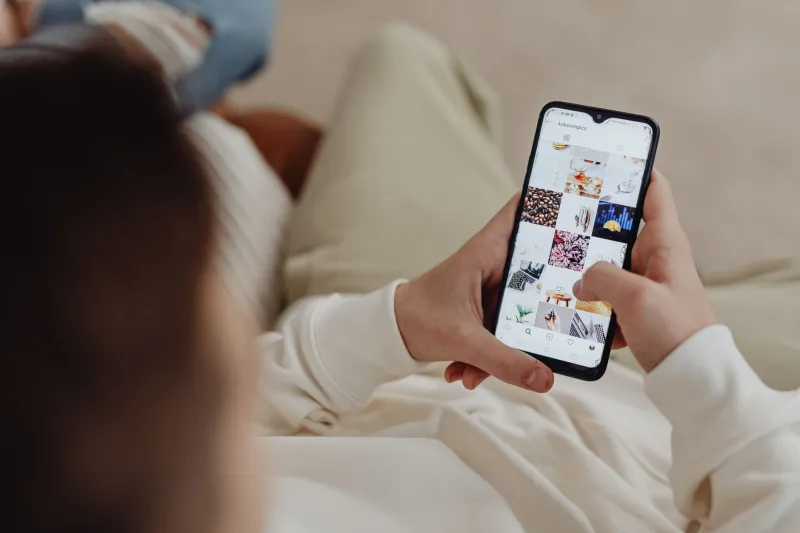
It starts innocently enough. You're half-watching TikTok at 11 p.m., and suddenly a creator you've never heard of is holding up a $38 Stanley-adjacent water bottle, swearing it changed their morning routine. The comments are electric. The product is "almost sold out." And before you've fully processed what happened, you're three clicks deep into a checkout screen.
Welcome to the influencer economy — where the line between genuine recommendation and paid performance is blurrier than ever, and where you are the product being sold to.
The Machine Behind the Moment
Here's something most casual shoppers don't think about: when a product goes viral, the price almost never stays the same. Demand spikes overnight, and sellers — whether they're on Amazon, a brand's own site, or a third-party reseller — respond accordingly. It's basic economics, except the demand spike was manufactured by a marketing campaign, not organic consumer need.
Brands pay influencers anywhere from a few hundred dollars to tens of thousands per post, depending on follower count and engagement. Micro-influencers (think 10k–100k followers) are especially popular right now because their audiences trust them more. That trust is the whole product. The creator seems like a friend, not an ad, which makes the pitch land harder than any billboard ever could.
When that post goes live and orders flood in, brands often engineer artificial scarcity — limited drops, "only 12 left" counters, waitlists — to keep urgency high and prices sticky. You're not just buying a product. You're paying a premium for the feeling of being in the right place at the right time.
Real Products, Real Disappointments
Let's talk specifics, because the pattern shows up across every product category imaginable.
The $60 Blush That Looked Nothing Like the Video A few years back, a particular cream blush went absolutely nuclear on TikTok after a handful of beauty creators posted transformation videos. Retailers sold out within hours. Resellers jacked prices up 3x. When restock finally happened and everyday shoppers got their hands on it, the reviews told a different story — patchy application, color payoff that looked great under ring lights and terrible in natural sunlight, and a formula that creased on anyone who wasn't 22 with perfect skin.
The Air Fryer Accessory Nobody Actually Needed A viral video showed a "must-have" silicone liner that supposedly made cleanup effortless. It hit Amazon's bestseller list overnight. Turns out? Most air fryers already come with non-stick baskets, and the liner actually reduced airflow, making food less crispy. Thousands of buyers left one-star reviews saying exactly that — but those reviews came after the buying frenzy cooled.
The $45 "Dupe" That Cost More Than the Original Perhaps the most ironic twist in influencer culture is the "dupe" pipeline. A creator recommends a cheaper alternative to a luxury item. That dupe goes viral. Demand spikes. The price creeps up. Suddenly you're paying $45 for something that was $18 three weeks ago, for a product that's supposedly a knockoff of something that wasn't even that expensive to begin with.
Why Your Brain Is Wired to Fall For This
None of this is accidental, and it's not a character flaw if you've been caught up in it. Marketers spend serious money understanding the psychological triggers that make people buy impulsively, and social media platforms are essentially delivery systems for those triggers.
The big ones:
- Social proof on steroids. Seeing thousands of comments saying "I bought this and it's amazing" is more persuasive than any ad copy.
- FOMO with a countdown clock. Limited availability messaging activates the same part of your brain as a physical threat. You feel like you need to act now.
- Parasocial trust. You've watched this creator for months. You feel like you know them. Their recommendation feels personal, even when it's paid.
- The identity play. Buying the trending product signals belonging. It says you're plugged in, you have taste, you're part of something.
Once you see the mechanics, you can't unsee them.
A Five-Question Framework Before You Buy
The goal isn't to never buy anything you discover on social media — plenty of genuinely great products get found that way. The goal is to buy intentionally, not reactively. Run any trending purchase through these five questions before you hit confirm:
1. Would I have wanted this before I saw the post? If the honest answer is no, that's a signal. You're not solving a problem you had — you're adopting a problem the algorithm handed you.
2. What are the reviews saying outside the platform? Search the product name on Reddit, check verified purchase reviews on Amazon (filter by most recent, not most helpful — the most helpful ones often go up during the hype), and look for YouTube reviews from people who've used it for more than a week.
3. Is the price inflated from the baseline? Use tools like CamelCamelCamel for Amazon products to see historical pricing. If something is normally $15 and currently listed at $34, you're paying the hype tax in real time.
4. Who is actually benefiting from this recommendation? Look for disclosure tags (#ad, #sponsored, #partner). Even when creators don't disclose, you can often find affiliate link structures or brand partnership histories with a quick search. That doesn't mean the product is bad — it just means the recommendation isn't neutral.
5. Can I wait 30 days? This is the simplest filter of all. If the product is still on your mind in a month, and the price has normalized, and reviews have accumulated — then buy it. Most "must-have" purchases don't survive the 30-day test. The urgency evaporates, and you realize you were fine without it.
The Smarter Way to Shop What's Trending
Here's the thing — trend-driven shopping isn't inherently bad. Discovering new products through creators can be genuinely useful. The trick is inserting a pause between discovery and purchase.
Bookmark, don't buy. Save the product to a wish list or browser bookmark and revisit it in a few weeks. If a "limited drop" sells out before you get there, there will almost always be a restock, a dupe, or a comparable product that costs less once the hype cycle moves on.
Also worth noting: the brands that rely heavily on influencer marketing to drive sales often have higher prices built in specifically to cover those marketing costs. A comparable product from a brand that spends less on creator partnerships might perform just as well for significantly less money — it just doesn't have 40,000 TikTok videos vouching for it.
Spend on What Sparks, Not What Scrolls
At ShopSpark, we're all about finding things worth getting excited about — deals that actually deliver, products that earn their price tag, and purchases that hold up past the dopamine hit of clicking "buy." The influencer economy isn't going anywhere, and neither is the FOMO it manufactures.
But your money? That's yours to protect. The best purchase you'll ever make is the one you thought through — not the one the algorithm rushed you into at midnight.