Do the Math Before You Bulk Up: A Shelf-Tag Survival Guide
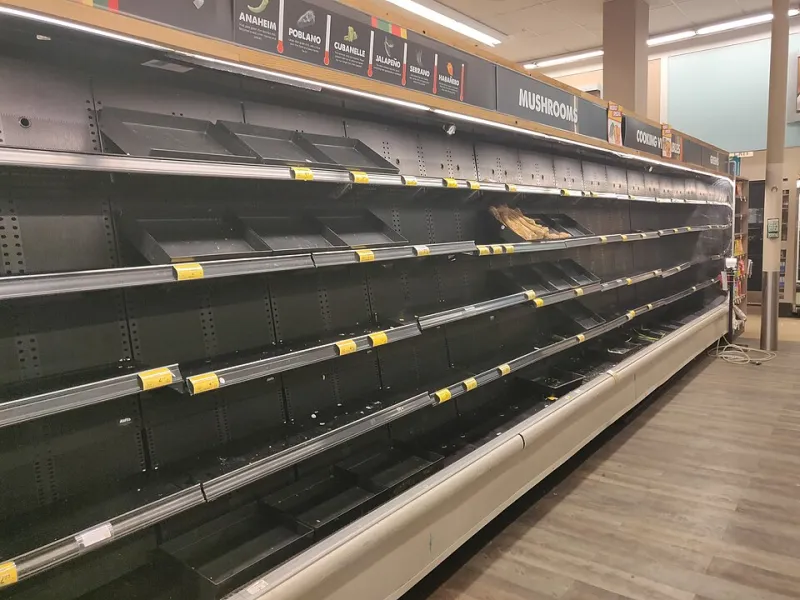
Photo: Kurt Kaiser, CC0, via Wikimedia Commons
Somewhere in your grocery store, right now, a smaller package is cheaper per ounce than its jumbo twin. Not sometimes. Basically always, somewhere, on some shelf. And most shoppers walk right past it because the bigger box looks like the deal.
This is the entire premise of unit pricing: stop comparing prices, start comparing price per ounce, per pound, per sheet, per load. It takes about two seconds once you know where to look, and it's the single highest-return habit in grocery shopping.
Where to Find the Unit Price
Most US grocery stores are required to display unit prices on shelf tags, usually in tiny print in the corner. Look for something like "$0.14/oz" or "$2.31/lb" sitting below the big sale price. That little number is the real price. Everything above it is marketing.
If your store doesn't print them, your phone's calculator does the job: divide price by total ounces. After a week of doing this, you'll start eyeballing it automatically.
When Small Beats Big (Yes, Really)
Bulk isn't a law of physics. Some real patterns where the small package wins:
- Cereals and snack foods: Family-size boxes frequently run higher per ounce than standard sizes, especially right after a standard-size goes on sale. A 20 oz box at $3.49 on sale beats a 28 oz box at $5.49 every time.
- Spices and baking staples: Spices lose potency with age. A $12 jumbo container of paprika you'll finish in three years costs more per usable teaspoon than the $4 small one.
- Cooking oils and nuts: Fats go rancid. The gallon jug of olive oil isn't a bargain if half of it smells like old crayons by month four.
- Paper towels and toilet paper: "Mega rolls" and "super rolls" are marketing inventions. Compare per-sheet or per-square-foot, because roll counts are inflated to prevent honest comparison.
- Sales stacking: A coupon or loyalty discount on the small size can drop its unit price below the untouched big one. Do the math after the discount, not before.
The Store Is Designed to Stop You From Doing This Math
Grocery layout is a science, and the science says: don't let anyone compare unit prices.
- Different package sizes on different shelves break your mental math. If the 12 oz version is in aisle 4 and the 24 oz version is in a separate display, you'll never see them side by side.
- Mixed units — price per load for one detergent, per fluid ounce for another — make genuine comparison nearly impossible without a spreadsheet.
- Eye-level shelving holds the higher-margin sizes. The best unit prices tend to live on the top or bottom shelf, exactly where you don't look.
- Endcap displays near aisle entrances carry the "sale" feeling without the sale math. Check the tag. Half the time the regular shelf price beats it.
None of this is illegal. It's just layout.
A Quick Field Test
Next trip, pick one category — say, laundry detergent — and check every unit price on the shelf. You'll usually find the winner is not the biggest container and not the one with the loudest SALE tag. It's often a mid-size bottle that nobody notices because it has no marketing story.
The Caveat: Unit Price Isn't Everything
Two honest limits:
- Waste beats savings. The cheapest per-ounce price means nothing if you throw away the spoilage. Buying perishables in bulk you can't finish is paying less for stuff you compost.
- Storage and cash flow matter. If your pantry can't hold the 12-pack or your budget can't absorb the bigger upfront cost, the small size at a slightly worse unit price is the correct choice.
The goal isn't always buying big. It's knowing, for every single item, what you're actually paying for what you actually get. Once you've caught one jumbo jug losing to a regular bottle, you'll never trust a sticker price on faith again.