Loyalty Points Are Basically Monopoly Money — Unless You Know These Tricks
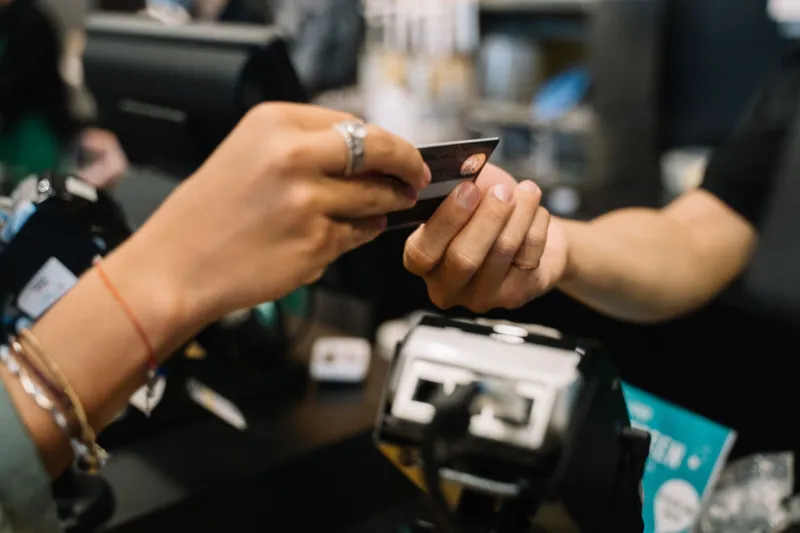
There's something genuinely satisfying about watching your points balance climb. Every swipe, every purchase, every bonus event — it all adds up on that little dashboard, and it feels like progress. Like you're winning some slow-motion prize.
Except, for most Americans enrolled in retail loyalty programs, that feeling is the product. Not the reward.
Let's talk about what's actually going on inside these programs, why most of your accumulated points are worth embarrassingly little, and — because we're not here to just bum you out — which loyalty schemes are genuinely worth your wallet and your data.
The Feel-Good Math That Doesn't Add Up
Here's a number that should reset your expectations: the average retail loyalty point is worth between 0.5 and 1 cent. That's it. So when a big-box retailer proudly announces you've earned 500 points on a $50 purchase, congratulations — you've earned yourself about $2.50 to $5.00 in theoretical future value.
Theoretical, because you still have to spend more money to redeem it.
Retailers engineer their programs around a concept called breakage — the industry term for points that members earn but never redeem. Studies have consistently shown that somewhere between 30% and 40% of all loyalty points issued in the US go unredeemed. That's not an accident. Expiration dates, minimum redemption thresholds, and category restrictions are all deliberately designed to make sure a chunk of what you "earned" quietly disappears.
In short, the house always wins. And the house built the game.
How They Keep You Spending Without Actually Paying You Back
The psychological machinery here is sophisticated. Retailers use a handful of reliable tricks:
Tiered status systems. Silver, Gold, Platinum — whatever they call it, the tier ladder exists to make you spend just a little more to hit the next level. That next level rarely delivers proportional value. What it does deliver is a stronger sense of identity with the brand. You're not just a customer anymore; you're a member.
Points inflation for low-margin categories. Notice how some programs shower you with bonus points for buying store-brand items or specific featured products? That's not generosity — it's inventory management. They're moving product they need to move, and you're providing the labor.
Redemption windows and blackout periods. Airline-style loyalty programs are notorious for this, but retail programs do it too. "Reward events" where you can redeem points often conveniently overlap with new product launches or peak shopping seasons — when you were probably going to spend anyway.
Complicated point-to-dollar conversions. If a program makes you do real math to figure out what your points are worth, that's intentional. Opacity is a feature, not a bug.
The Programs That Are Actually Worth It
Okay, not all loyalty programs are elaborate illusions. A few actually deliver real, measurable value — and they share some common traits: straightforward cash-back structures, no expiration gimmicks, and redemption flexibility.
Amazon Prime Rewards Visa consistently ranks as one of the best pure-value loyalty setups in the US market. The 5% back on Amazon and Whole Foods purchases converts directly to statement credits — no points conversion theater, no minimum spend thresholds for redemption. It's real money off your bill.
Costco's membership model flips the script entirely. Instead of dangling points, they charge you upfront and then deliver consistent bulk pricing and an annual reward check for Executive members. The math is transparent. You know what you're getting.
Target Circle gets mixed reviews, but for frequent Target shoppers, the 1% earnings plus regular targeted offers (the kind based on your actual purchase history) can stack into meaningful savings — especially around back-to-school or holiday seasons. The key is treating it as a discount tool rather than a points-hoarding game.
Sephora's Beauty Insider is worth calling out specifically because of its redemption flexibility. You can convert points into actual product samples, full-size items, or experiences — which sidesteps the cash-value dilution problem. If you're a regular beauty buyer, the tangible redemptions beat a vague discount coupon every time.
Red Flags to Watch For
Before you sign up for another loyalty program — or before you keep feeding one you're already in — run it through this quick filter:
- Do the points expire? If yes, how quickly? Anything under 12 months is aggressive.
- What's the actual cash value per point? Do the division. If it's under 0.5 cents per point, walk away.
- Can you redeem without a minimum balance? Programs that require 2,500+ points before you can use anything are betting on your impatience and forgetfulness.
- Does redemption require you to spend more? "Earn a $10 reward on your next $50 purchase" is a discount, not a reward. Don't confuse the two.
- Are you giving up more than you're getting? Every loyalty program is a data deal. You're trading purchase history, location data, and behavioral patterns. Make sure the value exchange is actually fair.
The One Mental Shift That Changes Everything
Here's the reframe that makes all of this click: loyalty programs are marketing tools, not savings tools. The moment you understand that, you stop optimizing for points and start optimizing for actual price.
The smartest shoppers use loyalty programs passively — they sign up, they let points accumulate naturally from purchases they'd be making anyway, and they redeem opportunistically without chasing the program's structure. They never change their buying behavior to hit a tier or a bonus threshold.
Because the second you start buying things you didn't need just to hit a points milestone, the retailer has won. You've just paid them to feel like you're winning.
So What Should You Actually Do?
Keep the programs that are attached to stores you already shop regularly. Drop the ones with expiring points, confusing conversions, or redemption restrictions. Prioritize cash-back structures over point ecosystems whenever you have the choice.
And next time a cashier asks if you want to sign up for a rewards program, take five seconds to ask: who does this actually reward?
Sometimes the answer is you. But a lot of the time, it's them.