Dust Collectors to Dollar Bills: How to Cash In on Your Tech Graveyard
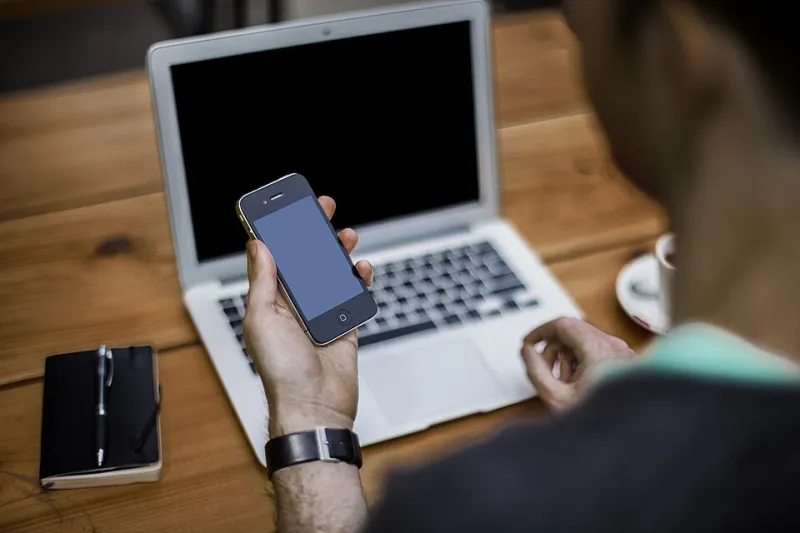
Photo: Alejandro Escamilla alejandroescamilla, CC0, via Wikimedia Commons
Let's be honest. Somewhere in your home there's a junk drawer, a closet shelf, or maybe an entire box in the garage where old gadgets go to die. An iPhone from three upgrades ago. A Nintendo DS your kid stopped touching. A Bluetooth speaker that works perfectly fine but got replaced by something fancier. You've been meaning to deal with it "someday."
Here's the thing: someday is costing you money. The refurbished electronics market in the US is now worth tens of billions of dollars annually, and it's growing fast. Buyers — from individual consumers to big-box retailers to international resellers — are actively hunting for exactly the kind of stuff you've been ignoring. So let's fix that.
The Devices That Might Surprise You
Not all old tech is created equal, but you'd be shocked at what holds value. iPhones tend to dominate resale rankings — even a four- or five-year-old model in decent condition can fetch $80 to $200 depending on storage and carrier. Android flagships from Samsung, Google Pixel, and OnePlus also hold up reasonably well.
But smartphones aren't the only story here. Gaming consoles are consistently strong sellers. Original Nintendo Switches, PlayStation 4 consoles, and even older-gen hardware like the Xbox 360 or PS3 have active buyer bases — especially if you've held onto the original controllers and cables. Retro gaming, in particular, has exploded. A working Game Boy Advance or original PlayStation can pull serious cash from collectors.
Laptops and tablets are another goldmine people overlook. iPad generations that feel outdated to you are perfectly functional for someone who just needs a basic screen for streaming or kids' schoolwork. MacBooks, even older ones, tend to retain value better than most Windows laptops. And don't sleep on smart home devices — older Echo Dots, Nest thermostats, and Fitbits all have active secondary markets.
Where the Real Buyers Are
You've got options, and the right platform depends on what you're selling and how much effort you want to put in.
Swappa is one of the cleanest peer-to-peer platforms for phones, tablets, and laptops. It's structured to protect both buyers and sellers, prices tend to be fair, and the audience is specifically looking for used electronics. If you want a no-nonsense experience, start here.
eBay still reigns supreme for volume and reach, especially for gaming hardware, accessories, and anything with collector appeal. The fees are real, but so is the buyer pool. Listings with good photos and detailed descriptions sell faster than you'd think.
Facebook Marketplace is your best bet for local, cash-in-hand deals. No shipping, no fees, no waiting. For bulkier items like monitors, printers, or gaming setups, local pickup just makes more sense.
Decluttr is worth knowing about if you'd rather skip the listing process entirely. You scan barcodes or enter device details, get an instant quote, ship for free, and get paid. The offers are lower than peer-to-peer, but the convenience factor is real.
GameStop and Best Buy trade-in programs exist too, though they're typically the lowest-paying option. Use them as a last resort or for items that are too worn to sell elsewhere.
Step-by-Step: Prep Your Device Like a Pro
Before anything gets listed, you need to handle the basics — both for your own security and to get top dollar.
Step 1: Back everything up. This sounds obvious, but people skip it and regret it. Use iCloud, Google Photos, or just plug into your computer. Get your contacts, photos, and app data somewhere safe.
Step 2: Factory reset and sign out. For iPhones, go to Settings > General > Transfer or Reset iPhone > Erase All Content and Settings. Make sure you've signed out of your Apple ID first, or the next owner will be locked out. Android users should disable Factory Reset Protection before wiping. For laptops, reinstall the operating system clean — don't just delete files.
Step 3: Assess the condition honestly. Buyers hate surprises. Check the screen for cracks, test all the buttons and ports, and note any cosmetic damage. Honest listings get better reviews and fewer return requests.
Step 4: Gather the extras. Original chargers, cases, and boxes add real value. A device listed with its original box and accessories can command 10–20% more than a bare unit.
Step 5: Research your price. Search completed listings on eBay (filter by "Sold") to see what your exact model actually sold for — not just what people are asking. Price slightly below comparable sold listings to move it faster.
The E-Waste Angle Nobody Talks About
Beyond the money, there's something genuinely good happening here. Electronics that get resold don't end up in landfills. The US generates millions of tons of e-waste every year, and a huge chunk of it is perfectly functional devices that just got abandoned. When you sell your old gear instead of tossing it, you're extending its life and keeping toxic materials out of the waste stream.
Some platforms, like Decluttr and Back Market, lean into this angle pretty hard — and honestly, it's a legitimate reason to feel good about the transaction beyond just pocketing some cash.
Start Small, Build the Habit
You don't have to tackle the whole junk drawer in one afternoon. Start with the one device you're most confident about — probably a phone — and go through the process once. Once you've done it and seen the money hit your account, the rest gets a lot easier.
That pile of forgotten gadgets isn't a problem. It's inventory. And at ShopSpark, we're pretty big fans of turning stuff you already have into money you can actually use.